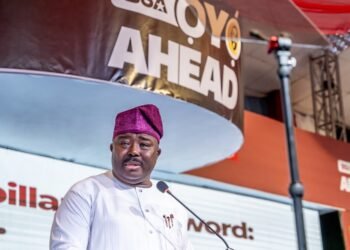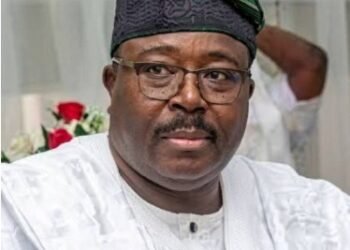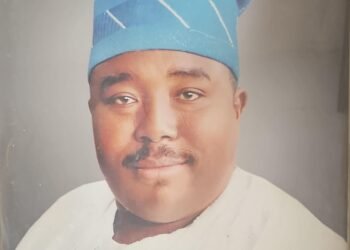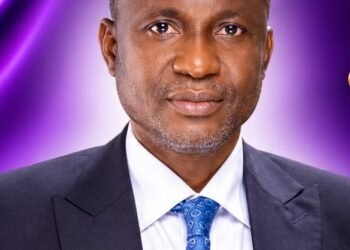









The governorship candidate of the All Progressives Congress (APC) in Oyo State, Senator Sharafadeen Alli, has promised to grant local government autonomy from his first day in office if elected in the 2027 governorship election.
He also pledged to make Oyo one of Nigeria’s three leading state economies, establish a ₦10 billion youth development fund and increase the state’s internally generated revenue (IGR) to ₦150 billion annually without imposing additional financial burdens on residents and businesses.
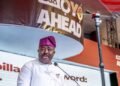
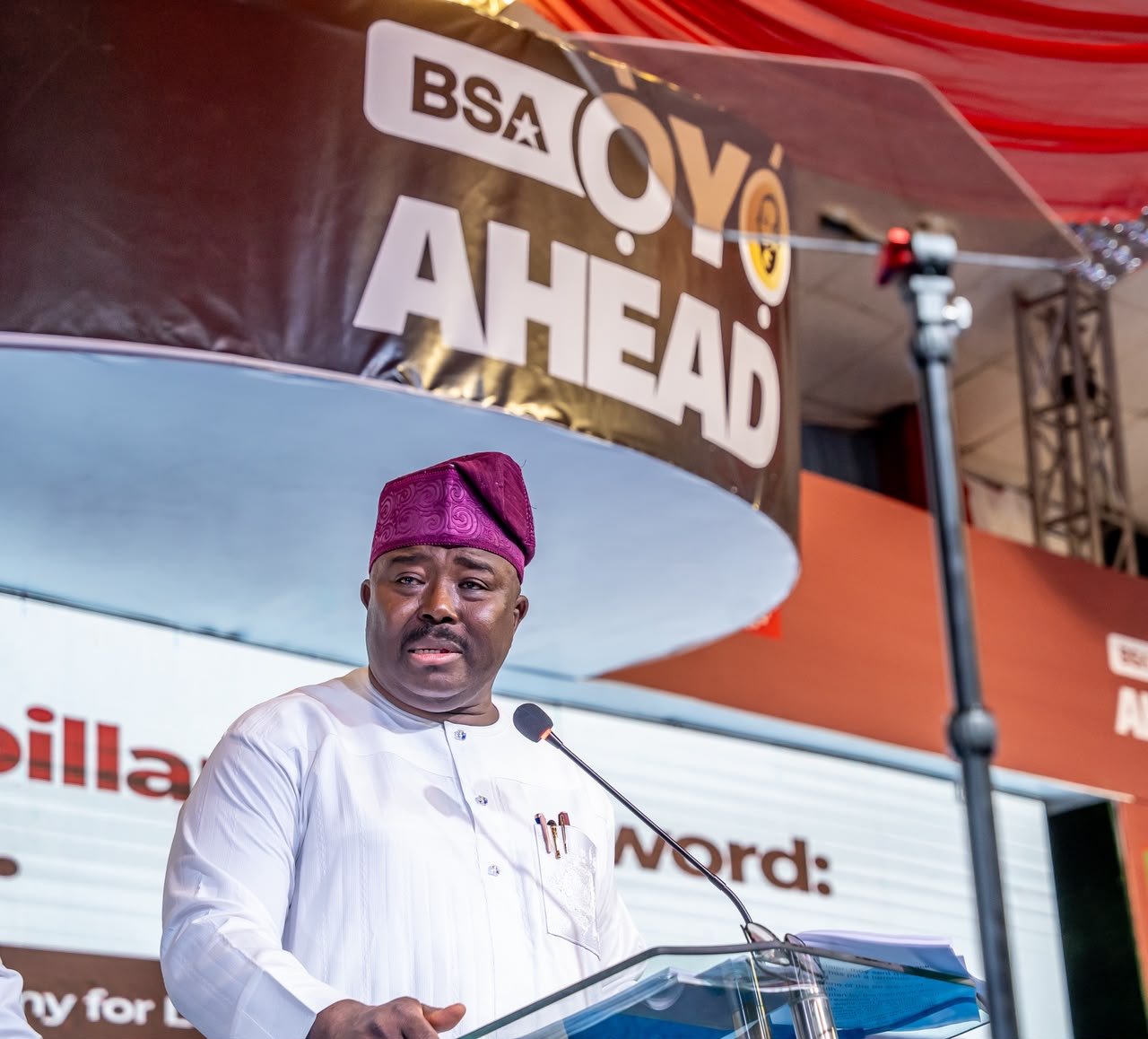
Alli made the promises on Tuesday, November 3, 2026, while unveiling his manifesto, titled My Pact, to stakeholders in Ibadan, the state capital.
The manifesto, structured around seven pillars under the acronym Oyo AHEAD, focuses on local government autonomy, infrastructure development, healthcare reform, education and employment, agriculture and export, digital economy and security.
Addressing representatives of community development associations, professional bodies, artisans, traders, labour unions and other stakeholders, Alli said his agenda was designed to transform the state’s economy, improve public service delivery and ensure that residents feel the impact of governance across the state.
He said Oyo, with 351 wards, 33 local government areas and an estimated population of eight million, had the potential to become a major economic and agricultural hub in the South-West.
The APC candidate lamented that the state generated less than ₦100 billion in IGR in the previous year, compared with nearly three times that amount generated by neighbouring Ogun State. He also cited national statistics indicating that about 3.8 million residents were living in poverty.
He said: “We will make Oyo one of the top three state economies in Nigeria. Our first target on the way is ₦150 billion a year of our own revenue, and the market woman will pay no more than she pays today.”
On infrastructure, Alli promised to complete ongoing road projects, construct access roads to farming communities and introduce a 20-year warranty for every newly constructed road.
He also pledged to fully constitute the state electricity regulator, generate electricity locally and provide dedicated power to industrial and agricultural corridors. He promised to audit and replace faulty transformers every six months, restore potable water to 100 communities and connect at least 100 rural communities to electricity for the first time.
The governorship hopeful further promised to expand the state’s bus fleet, modernise Pacesetter Transport Company and work with the Federal Government and private investors to provide affordable housing for low- and middle-income earners.
On healthcare, Alli pledged to establish a general hospital in each of the six local government areas without such facilities and recruit more doctors and other health professionals.
He said the administration would ensure that vacancies in the health sector, including primary healthcare centres, were filled regularly, noting that 10 hospitals in the state currently had no medical doctor.
He also promised free health insurance for infants, pregnant women and residents aged 70 and above, with a target of increasing enrolment from the current 271,000 to 500,000 within his first two years in office.
In education, Alli promised to limit classroom population to 30 pupils, recruit more teachers, provide additional school facilities, establish skills acquisition centres in each geopolitical zone and enact an apprenticeship law.
On economic development and job creation, he pledged to establish industrial parks, revive the Oluyole Free Trade Zone and introduce a guarantee fund to improve small businesses’ access to credit.
He also promised to establish a ₦10 billion Oyo Youth Fund and build digital hubs across the state’s five geopolitical zones to promote innovation and employment opportunities.
For agriculture, Alli said his administration would revive farm settlements, provide insurance coverage for 10,000 farmers and establish a produce board through the proposed Oyo Export Council to support farmers and boost exports.
On security, he promised to restructure the state’s security architecture to strengthen the protection of lives and property.
He also pledged to ensure prompt payment of salaries and entitlements to civil servants, while providing them with necessary work tools and improved working environments to enhance productivity.
The governorship candidate of the All Progressives Congress (APC) in Oyo State, Senator Sharafadeen Alli, has unveiled plans to raise the state’s internally generated revenue (IGR) to ₦150 billion annually and establish a ₦10 billion fund to support youth development and entrepreneurship.
Alli also pledged to make Oyo one of the three leading state economies in Nigeria, promising to achieve the targets without imposing additional financial burdens on residents and businesses.
He made the commitments on Tuesday while unveiling his My Pact manifesto to stakeholders in Ibadan, the state capital, ahead of the 2027 governorship election.
The manifesto, organised around seven pillars under the acronym Oyo AHEAD, outlines his proposed policies on local government autonomy, infrastructure, healthcare, education and employment, agriculture and export, digital economy and security.
Alli said the state’s economic potential remained largely untapped, despite its vast landmass, population and agricultural resources.
He noted that Oyo, with 351 wards and 33 local government areas, generated less than ₦100 billion in IGR in the previous year, while neighbouring Ogun State generated nearly three times that amount.
He also cited national statistics indicating that about 3.8 million people in Oyo State were living in poverty, arguing that the situation required deliberate economic policies and support for businesses.
According to him, his administration would pursue an economy driven by industrialisation, agriculture, reliable electricity and job creation.
“We will make Oyo one of the top three state economies in Nigeria. Our first target on the way is ₦150 billion a year of our own revenue, and the market woman will pay no more than she pays today,” he said.
On youth empowerment, the APC candidate promised to establish a ₦10 billion Oyo Youth Fund, alongside digital hubs in the state’s five geopolitical zones to promote innovation, entrepreneurship and employment.
He also pledged to establish industrial parks, revive the Oluyole Free Trade Zone and introduce a guarantee fund to improve small businesses’ access to credit.
In agriculture, Alli promised to revive farm settlements, provide insurance coverage for 10,000 farmers and establish a produce board through the proposed Oyo Export Council to facilitate the marketing and export of agricultural produce.
He said the state would also invest in rural infrastructure, including access roads to farming communities, while introducing a 20-year warranty for newly constructed roads.
On electricity, he promised to constitute the state electricity regulator, generate power locally and provide dedicated electricity to industrial and agricultural corridors.
Alli further pledged to restore potable water to 100 communities and connect at least 100 rural communities to electricity for the first time.
In the health sector, he promised to establish general hospitals in the six local government areas without such facilities, recruit more medical personnel and ensure that existing vacancies in hospitals and primary healthcare centres were filled.
He also promised free health insurance for infants, pregnant women and residents aged 70 and above, targeting an increase in enrolment from 271,000 to 500,000 within his first two years in office.
On education, the governorship candidate proposed a maximum of 30 pupils per classroom, recruitment of additional teachers, construction of more school facilities and establishment of skills acquisition centres in each geopolitical zone.
He also promised to grant local government autonomy from his first day in office, if elected, and restructure the state’s security architecture to strengthen the protection of lives and property.
Alli added that his administration would prioritise workers’ welfare through prompt payment of salaries and entitlements, provision of work tools and improved working conditions for civil servants.