











The Nigeria Police Force and the Nigerian Financial Intelligence Unit (NFIU) have stepped up efforts to combat money laundering, terrorism financing and other organised crimes by strengthening intelligence sharing and financial investigations ahead of Nigeria’s 2027 Mutual Evaluation.
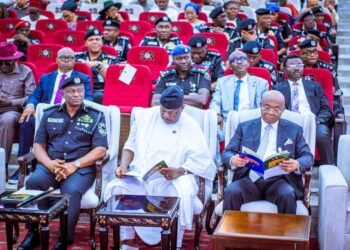
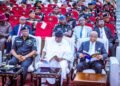
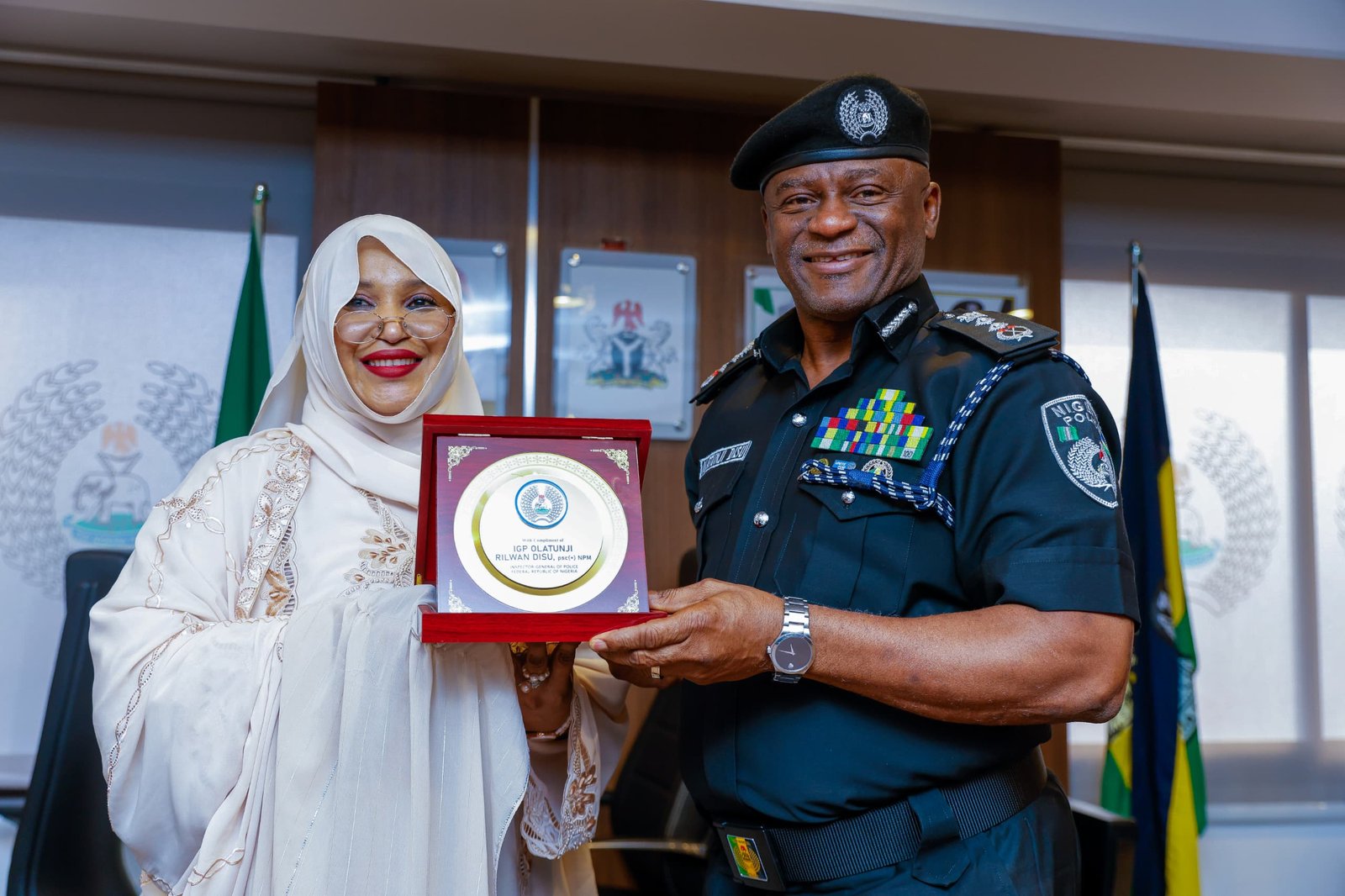
The renewed commitment was made on Tuesday, July 28, when the Chief Executive Officer of the NFIU, Hafsat Abubakar Bakari, led the agency’s management team on a courtesy visit to the Inspector-General of Police, Olatunji Disu, at the Force Headquarters in Abuja.
Bakari described the meeting as a strategic engagement aimed at reinforcing collaboration between both institutions in tackling illicit financial flows that fuel crimes such as terrorism, kidnapping, cybercrime, corruption, human trafficking, drug trafficking, illegal mining, arms trafficking and other organised criminal activities.
She noted that the Nigeria Police Force remains one of NFIU’s most important partners because of its central role in investigating and prosecuting financial crimes, as well as dismantling criminal networks through financial intelligence.
According to her, tracking financial transactions has become a vital investigative tool for identifying criminal syndicates, their sponsors and beneficiaries, stressing that effective collaboration would ensure that offenders are not only arrested but also stripped of the financial resources sustaining their operations.
Bakari praised the police for their contribution to Nigeria’s successful implementation of the Financial Action Task Force (FATF) action plan, which culminated in the country’s removal from the FATF grey list.
She disclosed that Nigeria is now preparing for its third round Mutual Evaluation in 2027, explaining that the assessment will measure the effectiveness of institutions in combating money laundering and terrorism financing rather than merely reviewing existing laws.
The NFIU boss revealed that a recent stocktaking exercise conducted across police formations, with the approval of the Inspector-General of Police, highlighted the force’s institutional strengths while identifying the need for greater capacity building in areas such as financial intelligence, money laundering investigations, terrorism financing and asset recovery.
She stressed the importance of improving data collection, intelligence utilisation and the tracing, freezing and confiscation of criminal assets through updated operational procedures.
Bakari maintained that financial trails often expose criminal networks long before physical evidence emerges, adding that the NFIU remains committed to supporting the police through intelligence sharing, specialised training, operational assistance and collaboration with international partners.
Responding, Inspector-General of Police Olatunji Disu described financial intelligence as an indispensable tool in modern policing, saying the increasing sophistication of financial transactions requires stronger cooperation between security agencies.
He noted that following illicit financial flows can help investigators uncover terrorist financiers, kidnappers, fraudsters and other criminal syndicates, while also exposing the individuals coordinating such operations.
Disu reaffirmed the commitment of the Nigeria Police Force to deepening its partnership with the NFIU, promising to strengthen the capacity of officers in financial investigations and intensify joint efforts to combat money laundering, terrorism financing and organised crime across the country.