







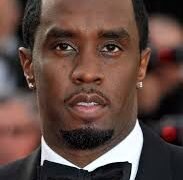



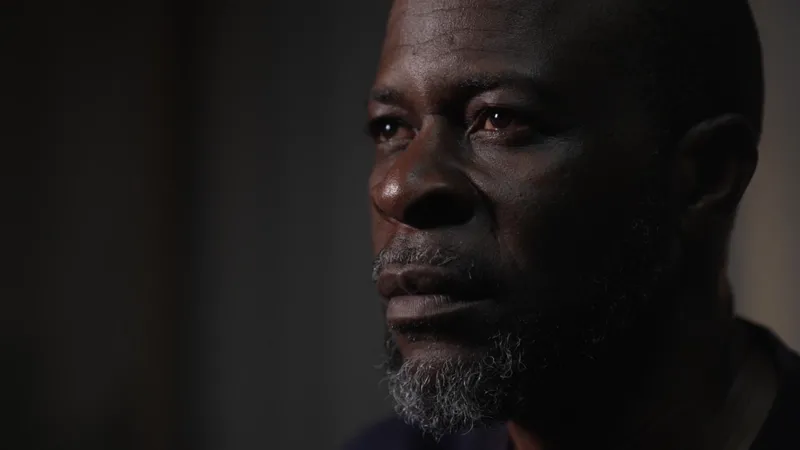
A Nigerian businessman, Richard Itoro, has returned to Nigeria after fleeing South Africa amid growing anti-migrant protests, leaving behind his South African wife and twin children in Johannesburg.
According to the BBC, Itoro, 47, was among foreigners who departed South Africa on voluntary repatriation flights in June as anti-migrant demonstrations intensified across the country.
Speaking to the BBC, Itoro said he feared for his safety despite having legal documentation allowing him to remain in South Africa, where he had spent more than 15 years building a car dealership business, purchasing a home and raising a family.
According to him, he became a target of harassment as anti-migrant sentiments spread. He said his wife was also intimidated by neighbours because of her marriage to a Nigerian.
He recalled being told that those married to Nigerians should leave the country with their spouses, a development he said left him confused because he had no issues with anyone in the community.
The businessman said the pressure eventually became unbearable, prompting his decision to return to Nigeria and start life afresh.
“It was painful for me to leave the person who is my best friend,” he said, describing the emotional farewell to his wife.
Itoro also expressed disappointment that his wife and children were unable to accompany him on the repatriation flight, saying he felt as though he was escaping from a besieged city.
The anti-migrant groups behind the protests have maintained that their campaign targets undocumented foreigners. South Africa’s Culture Minister, Gayton McKenzie, told the BBC that the country remained open to Africans who entered legally and possessed the required documentation.
However, Itoro said his legal status did not shield him from hostility.
Nigeria’s Minister of State for Foreign Affairs, Sola Enikanolaiye, similarly stated that Nigerians with valid residency documents had also been attacked in South Africa.
The issue has heightened diplomatic tensions between South Africa and several African countries. The situation escalated further following the death of a Nigerian man during an arrest by police over suspected drug offences.
The incident is currently under investigation by an independent body.
South African Foreign Minister Ronald Lamola said authorities act against individuals who take the law into their own hands but reiterated the country’s right to enforce its immigration laws.
The growing controversy has also affected citizens of other African countries, including Ghana.
A Ghanaian hairstylist, Emmanuel Asamoah, who moved to South Africa in 2023, said he was confronted by a group of South Africans who demanded that he leave the country.
The encounter, captured on video and widely shared on social media, drew attention across the continent.
Asamoah said he possessed valid immigration documents and challenged those confronting him to verify his status with authorities.
After returning to Accra in May, he established a cement business with support from a Ghanaian businessman and said he was focused on building his future in Ghana.
South Africa’s unemployment rate, which stands at more than 30 per cent, has been cited as one of the factors fuelling anti-migrant sentiments. McKenzie argued that South Africans should be prioritised for available jobs and supported calls for undocumented migrants to leave.
Despite diplomatic engagements, criticism has continued from other African governments. Ghana’s Foreign Minister, Samuel Okudzeto Ablakwa, said the treatment of African migrants contradicted the principles of Pan-Africanism and failed to acknowledge the support many African nations gave South Africa during the struggle against apartheid.
Meanwhile, Itoro remains in Lagos, hoping to reunite with his family.
“It’s not easy. But we talk every day,” he said, expressing hope that his wife would eventually join him in Nigeria.
.

Forced apart: Nigerian man flees South Africa, leaves wife, twin children behind

Related Posts







Don't Miss



Stay informed with Breaking News Online in Nigeria on The News Bearer. Get real-time updates and analysis of national, international events.