










Ebola alert: Know the symptoms, stop the spread, save Lives
Ebola is a serious and potentially fatal infectious disease that requires public awareness, early detection and strict adherence to preventive measures to limit its spread.
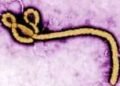
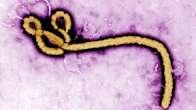
According to the United States Centers for Disease Control and Prevention (CDC), the disease is caused by viruses known as orthoebolaviruses, which are found primarily in sub-Saharan Africa.
Although Ebola can cause severe illness and death, members of the public can reduce their risk of infection by understanding how the disease spreads, recognising its symptoms and seeking prompt medical attention when exposure is suspected.
How Ebola Spreads:
Ebola spreads through direct contact with the blood and other body fluids of an infected person who is showing symptoms, or through contact with the body of someone who has died from the disease. Body fluids that may transmit the virus include saliva, sweat, urine, faeces, vomit, breast milk and semen.
People may also become infected through contact with contaminated clothing, bedding, needles, medical equipment and other objects that have been exposed to an infected person’s body fluids. In some cases, infection can occur through contact with infected animals, including bats and non-human primates.
The public should understand that Ebola does not spread through the air in the same way as respiratory infections such as influenza and COVID-19. Simply being near an infected person or passing someone in a public place does not transmit the disease.
However, close contact with an infected person, particularly when providing care without appropriate protective equipment, significantly increases the risk of infection.
Recognising the Symptoms:
Ebola symptoms may appear between two and 21 days after exposure to the virus, although they commonly begin within eight to 10 days.
Early symptoms may include fever, body aches, fatigue and general weakness. As the illness progresses, patients may develop vomiting, diarrhoea and, in some cases, unexplained bleeding.
Because the early symptoms can resemble those of other illnesses, people should not attempt to diagnose themselves or dismiss persistent fever and weakness, particularly if they may have been exposed to the virus or have travelled from an area experiencing an outbreak.
Anyone who develops symptoms after suspected exposure should seek urgent medical attention and inform healthcare personnel about the possible exposure before arriving at a healthcare facility, where feasible. This will help health workers make appropriate arrangements to protect other patients and staff.
Preventive Measures:
Preventing Ebola requires vigilance, responsible behaviour and cooperation with public health authorities.
Members of the public should avoid direct contact with the blood and body fluids of anyone suspected or confirmed to have the disease.
They should also avoid handling potentially contaminated clothing, bedding, medical equipment and other materials without appropriate protective equipment.
The bodies of people suspected or confirmed to have died from Ebola should not be handled outside established safe burial procedures.
Families and community members should work with trained health personnel to ensure that burial practices do not expose others to infection.
People should also avoid contact with bats, primates, forest antelopes and raw meat or body fluids from wild animals that could carry the virus.
Healthcare workers and family members caring for suspected or confirmed cases must follow appropriate infection prevention and control procedures, including the use of suitable personal protective equipment.
What to Do After Possible Exposure:
Anyone who believes they may have been exposed to Ebola should contact the appropriate health authorities promptly for assessment and guidance.
People returning from areas experiencing an outbreak should monitor their health for 21 days and seek immediate medical evaluation if symptoms develop.
Suspected cases should be assessed by qualified healthcare professionals and tested using appropriate laboratory methods. People being evaluated for Ebola may need to be separated from others in a healthcare facility while test results are confirmed.
Members of the public should cooperate with health authorities on contact tracing, monitoring and other measures introduced to prevent further transmission.
Treatment and the Importance of Early Care:
Although Ebola can be fatal, prompt access to appropriate medical care can improve a patient’s chances of survival.
Treatment may include fluids and electrolytes, medicines to manage fever, pain, vomiting and diarrhoea, support for blood pressure, and treatment for other infections when necessary.
Specific treatments and vaccines are available for certain types of Ebola virus disease, but their suitability depends on the virus responsible.
Vaccination and treatment decisions should therefore be guided by qualified health professionals and public health authorities.
The public should avoid unverified remedies and should not rely on self-medication when Ebola is suspected.
Combating Fear, Stigma and Misinformation:
Public sensitisation should emphasise that accurate information is one of the most effective tools for preventing the spread of Ebola. Fear, rumours and discrimination can discourage people from reporting symptoms, seeking medical care or cooperating with contact tracing.
Communities should avoid stigmatising suspected cases, survivors, family members or people who have travelled from affected areas.
Instead, they should encourage prompt reporting, appropriate medical assessment and compliance with public health advice.
Information about suspected cases and outbreaks should be obtained from recognised health authorities rather than forwarded unverified social media messages.
Conclusion:
Ebola prevention is a shared responsibility involving individuals, families, healthcare workers, community leaders and government agencies.
Understanding the symptoms, avoiding contact with infected body fluids, observing safe burial practices and seeking prompt medical attention are essential steps in reducing the risk of transmission.
The central message is clear: know the symptoms, avoid risky contact, report suspected exposure promptly and follow the guidance of health authorities.
Early action, accurate information and community cooperation can help protect lives and prevent outbreaks from spreading.