











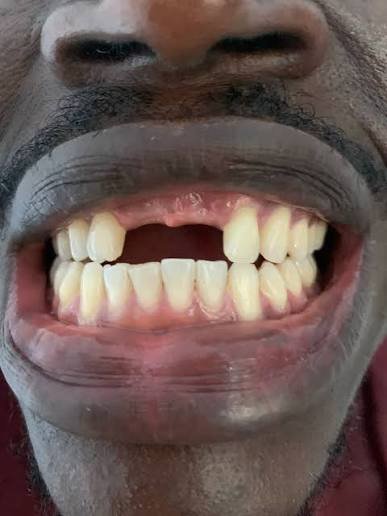
Researchers around the world are developing groundbreaking techniques that could one day allow humans to regrow lost or damaged teeth, potentially replacing traditional dental treatments such as fillings, crowns, and implants.
The BBC reported that scientists working in the emerging field of regenerative dentistry say advances in stem cell research and tissue engineering could transform the way dental care is delivered. Instead of repairing damaged teeth with artificial materials, future treatments may stimulate the body to regenerate tooth tissue—or even grow entirely new teeth.
Hannele Ruohola-Baker, associate director of the University of Washington Institute for Stem Cell and Regenerative Medicine, says public interest in the technology has been overwhelming.
“People are ready for something new in dentistry,” she said.
The research comes as experts increasingly recognize the connection between oral health and overall health. Studies have linked gum disease and tooth loss to a higher risk of heart disease, respiratory infections, cognitive decline, and other serious health conditions.
Current dental treatments can address many problems, but they often require repeated procedures over time. Fillings, for example, can wear out and may need replacement after several years.
Scientists are now exploring ways to help teeth repair themselves naturally.
Researchers at the University of Illinois Chicago are studying proteins involved in dentine formation, with the goal of developing treatments that encourage damaged teeth to regenerate tissue and heal cavities without conventional fillings.
Meanwhile, Ruohola-Baker’s team has successfully created tooth organoids—miniature tooth-like structures grown in the laboratory. Using stem cells, the researchers produced enamel-forming and dentine-forming cells that were able to generate proteins needed for tooth development.
The long-term objective is far more ambitious: growing entire replacement teeth inside a patient’s mouth.
Researchers believe lab-grown teeth could offer advantages over dental implants, which can wear down, become infected, or require replacement over time. Unlike implants, biological teeth would contain living tissue and nerves, allowing them to function more naturally.
At King’s College London, regenerative dentistry researchers are also investigating methods for creating replacement teeth using human cells and engineered biomaterials.
Earlier experiments demonstrated that human gum cells combined with tooth-forming cells could develop into tooth-like structures with viable roots.
Other scientists have turned to animal models for inspiration. Sharks continuously regenerate teeth throughout their lives, while elephants and kangaroos develop multiple sets of molars. Researchers have also grown human-like teeth in pigs by combining human and pig tooth cells on bioengineered scaffolds.
Despite promising results, experts caution that practical treatments remain years away. Before human trials can begin, additional testing in animals and further research into tooth development are required.
Still, researchers remain optimistic that regenerative dental therapies will eventually become part of mainstream healthcare.
“Rather than just trying to patch what has been damaged, we could use a biological replacement,” said Ana Angelova Volponi, director of regenerative dentistry at King’s College London.
While the timeline remains uncertain, scientists say the progress being made today could ultimately lead to a future in which lost teeth are no longer replaced with artificial materials—but regrown naturally.

Are you missing a tooth? Scientists move closer to regrowing teeth

Related Posts










Stay informed with Breaking News Online in Nigeria on The News Bearer. Get real-time updates and analysis of national, international events.