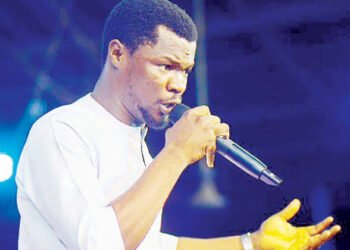







Oyo State Governor, ‘Seyi Makinde, has criticised the withholding of Nigeria LNG (NLNG) dividend funds meant for states until after the 2027 general elections, warning that the delay is undermining development planning and infrastructure investment across the country.
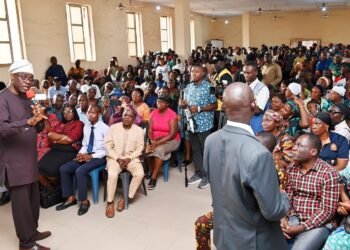
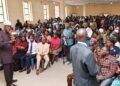
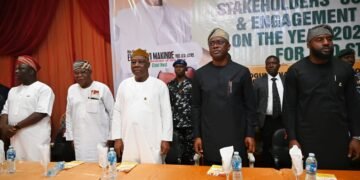
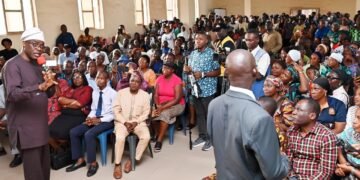
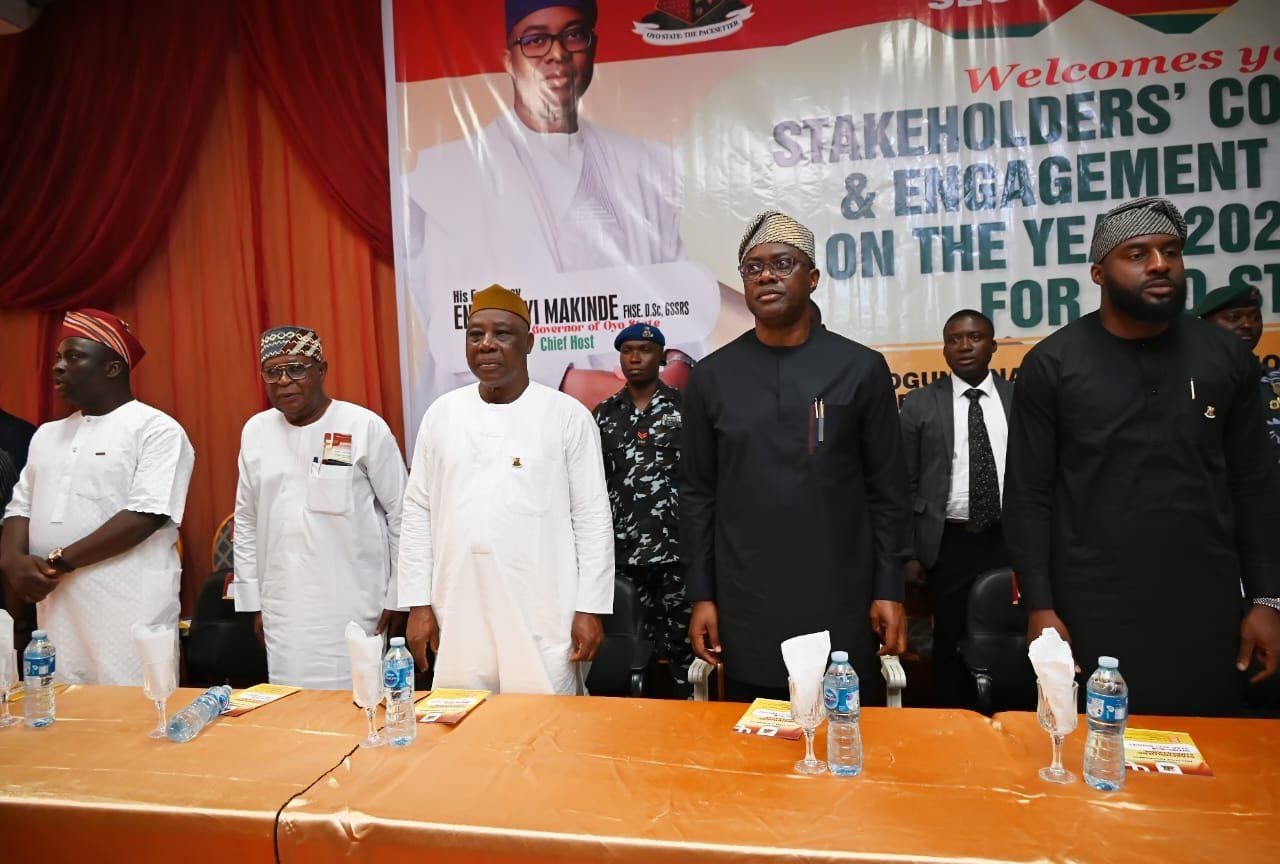
Makinde, who spoke on Friday, October 16, 2026, at the 2027 Budget Stakeholders’ Consultative Engagement held at Olola Ogunlana Hall, International Conference Centre, University of Ibadan, said each state was expected to receive ₦250 billion from the NLNG dividends.
He questioned the rationale behind delaying the disbursement, noting that his administration had already identified strategic projects that would accelerate Oyo State’s economic growth if the funds were released.
He said, “Each state was supposed to get ₦250 billion. We had already identified projects that would expand Oyo State’s economy. But they have now said the money will not be paid until after the election. Is the election more important than the people of Nigeria?”
The governor said the delay had compounded the fiscal pressures facing states amid rising governance costs, inflation and increasing expenditure on infrastructure.
He disclosed that Oyo State’s monthly wage bill had risen from ₦4.5 billion in 2019 to ₦18 billion in 2026, while the cost of executing major projects had increased significantly due to inflation.
Makinde argued that the timely release of the funds would enable states to sustain ongoing projects, address financial pressures and maintain the momentum of economic development.
On the state’s development priorities, he said his administration had recognised infrastructure as the foundation of economic growth, adding that investments in the sector had significantly increased asset values across Oyo State.
He, however, stressed the need for prudent financial management to sustain existing reforms and maximise the benefits of infrastructure investments, noting that the state required competent financial managers to maintain and improve the institutional structures already established.
The governor also disclosed that his administration would implement only about 30 per cent of the 2027 budget, as a new government would assume office on May 29, 2027.
He thanked residents for their support, saying that over the past seven years, budgeted projects had enjoyed about a 70 per cent chance of execution.
On agriculture, Makinde defended his administration’s tractorisation policy, explaining that the decision to scrap the loss-making government tractor unit and privatise tractor services had improved farmers’ access to mechanisation.
The Speaker of the Oyo State House of Assembly, Adebo Ogundoyin, commended the governor for institutionalising public participation in the budget process, saying people-centred budgeting had improved project execution across the state.
The Secretary to the State Government, Professor Musibau Babatunde, said the administration had moved from ad hoc budgeting to a performance-driven system, recording more than 70 per cent budget performance in 2026.
He explained that the consultative process, which began with the state’s three senatorial districts before expanding to all geopolitical zones, now included feedback mechanisms, quarterly budget tracking and mandatory compliance by ministries, departments and agencies (MDAs).
Babatunde added that no MDA was permitted to defend its budget at the pre-treasury stage without demonstrating how it had incorporated recommendations from stakeholders’ engagements.
Earlier, the Commissioner for Budget and Economic Planning, Ayobami Ojo, described the forum as a platform for building consensus on development priorities, stressing that the 2027 budget must be based on realistic revenue projections, prudent expenditure and effective resource allocation.
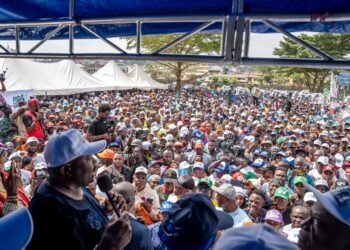
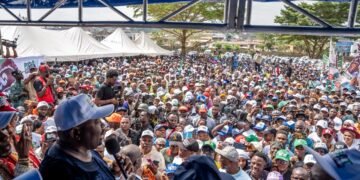
Stakeholders, including local government representatives, farmers, student unions, persons with disabilities, religious leaders, civil society groups, artisans and market associations, commended the administration and made recommendations on roads, security, welfare and project maintenance.
The event was attended by the Deputy Governor, Bayo Lawal; Chief of Staff, Bashorun Akinwale Akinwole; Head of Service, Dr Adenike Fashina; traditional rulers, labour leaders, youth groups and other government officials.