



Oyo State recorded a strong fiscal performance in the first half of 2026, generating ₦406.9 billion in recurrent revenue — 91.2 percent of its revenue target for the period — while spending ₦345.7 billion, representing 77.5 percent of its projected expenditure.
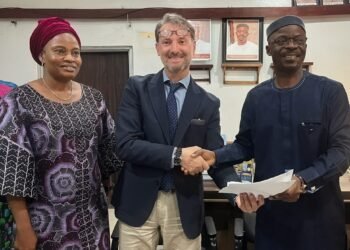
The figures were disclosed on Wednesday, August 5, in Ibadan by the Secretary to the State Government, Prof. Musibau Babatunde, during the presentation of the state’s 2026 Half-Year Budget Implementation Report on Revenue and Expenditure at the Local Government Staff Training School, Agodi Secretariat.
Prof. Babatunde also announced that the state government would soon receive 50 electric buses as part of efforts to improve public transportation, expand mobility across the state and reduce transportation costs for residents.
He explained that the mid-year budget review was designed to assess revenue generation and expenditure across Ministries, Departments and Agencies (MDAs), while identifying areas requiring greater government intervention.
According to him, the review also examined projects nominated by residents during town hall meetings, noting that while some have already commenced, others are scheduled to begin before the end of the year.
Responding to questions on the larger budgetary allocation to infrastructure and education, Babatunde said many projects in other sectors are linked to those key areas, making the allocations necessary.
He said the exercise would help the government strengthen fiscal sustainability and channel more resources to sectors requiring additional funding.
On the planned electric buses, he said they would be deployed across local government areas as well as inter-city and intra-city routes in fulfilment of Governor Seyi Makinde’s promise during the state’s 50th anniversary celebration.
Earlier, the Commissioner for Budget and Economic Planning, Mr Ayobami Ojo, attributed the state’s strong budget performance to prudent financial management, improved revenue mobilisation and the commitment of public servants.
He said the 2026 budget was developed through a participatory process based on global best practices and commended Governor Makinde for supporting reforms that have enhanced transparency and accountability in public finance.
Also speaking, the Head of Service, Dr. Adenike Fasina, said the mid-year review was essential for evaluating implementation of the 2026 Appropriation Act and urged revenue-generating agencies to eliminate leakages and uphold transparency.
Permanent Secretary in the Ministry of Budget and Economic Planning, Mr. Tunde Ayanleke, assured stakeholders that subsequent quarters would prioritise basic education and primary healthcare, adding that the budget monitoring committee would continue monthly reviews to ensure effective implementation.
Other stakeholders at the event commended the state government for sustaining an inclusive budget process that allows citizens and civil society groups to participate in planning and monitoring public expenditure.