












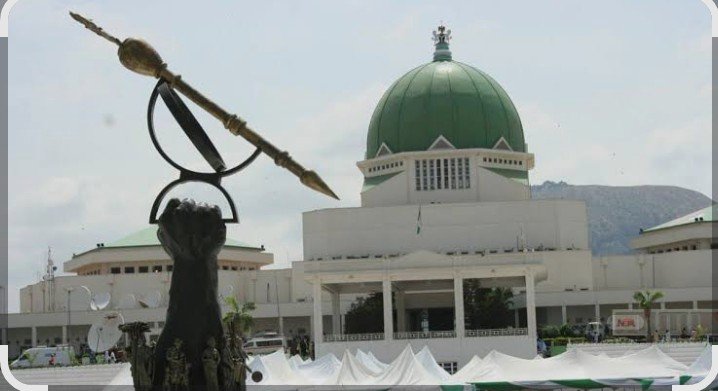
Abuja, Nigeria, February 16, 2026 — The National Assembly has announced it will convene an emergency plenary session on Tuesday, February 17, 2026, cutting short its scheduled recess to consider a possible change to the date of the 2027 presidential election.
Officials and lawmakers have indicated that one of the key items on the agenda will be a proposal to move the presidential poll forward by one week to Saturday, February 13, 2027, from the previously scheduled February 20 date set by the Independent National Electoral Commission (INEC).
A notice signed by the Clerk of the National Assembly, Kamoru Ogunlana, instructed members of both the Senate and House of Representatives to resume plenary at 11:00 a.m., stating that “very crucial decisions” are expected during the session.
Reasons Behind the Proposed Shift:
Lawmakers, speaking on condition of anonymity, told newsmen that the extraordinary session is aimed at addressing concerns raised over the previously announced election timetable, particularly its overlap with Ramadan, the Muslim month of fasting, which runs from early February to early March 2027.
Supporters of the proposed change argue it would allow more Nigerians, especially Muslim voters and electoral officials, to participate fully in the electoral process without religious constraints.
Context: Electoral Act Amendments and Public Reaction:
The emergency plenary follows weeks of intense debate and public controversy over amendments to the Electoral Act, especially provisions relating to the electronic transmission of results. In recent days, the National Assembly approved a version that retains electronic result transmission but does not make real-time uploads mandatory—a decision that sparked protests and criticism from civil society groups, opposition parties, and election reform advocates.
The INEC had earlier acknowledged public concerns about the original February 20 election date and stated it was open to legislative adjustments if necessary.
What Happens Next:
In addition to the plenary session, lawmakers are expected to continue work on reconciling differences in the Electoral Act amendment bill through a Joint National Assembly Conference Committee. Once harmonised, the revised bill will be sent to President Bola Tinubu for assent.
Political analysts say the decisions taken during this emergency session could have major implications for the credibility and inclusivity of Nigeria’s 2027 general elections.

National Assembly to hold emergency plenary to review 2027 presidential election date

Related Posts








Don't Miss



Stay informed with Breaking News Online in Nigeria on The News Bearer. Get real-time updates and analysis of national, international events.