











By Staff Reporter
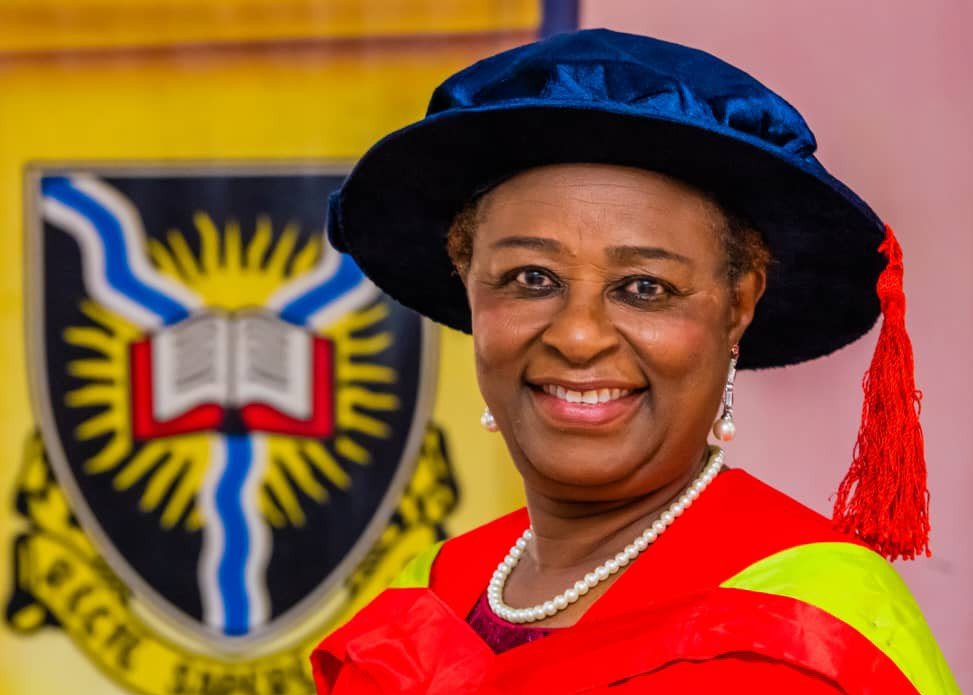
A Professor of Paediatric Radiology at the University of Ibadan, Professor Omolola Mojisola Atalabi, has called for stricter radiation protection policies and safer paediatric imaging practices to safeguard children receiving diagnostic healthcare services.
Professor Atalabi made the call while delivering the 619th Inaugural Lecture of the University of Ibadan on behalf of the Faculty of Clinical Sciences.
The lecture, titled “Spinning in the Invisible Rays of Paediatric Imaging: A Prophecy Fulfilled from Darkness to Light of Destiny,” underscored the need to balance technological advancement with patient safety.
She described paediatric imaging as an indispensable tool in modern medicine, enabling accurate diagnosis and effective treatment of childhood diseases.
However, she cautioned that children are particularly vulnerable to the harmful effects of ionising radiation, making it imperative that every imaging procedure involving them is properly justified and conducted using the lowest possible radiation dose capable of achieving accurate diagnostic results.
The professor stressed that while diagnostic X-rays are generally safe when used appropriately by trained professionals, unnecessary imaging requests and poorly regulated facilities expose children to avoidable health risks.
To address these challenges, Professor Atalabi advocated stricter regulation of imaging centres, especially private facilities, continuous training for radiologists, radiographers and medical physicists, and the development of child-specific imaging protocols that prioritise safety without compromising diagnostic quality.
She also urged regulatory authorities to strengthen oversight of imaging facilities and called for the inclusion of protection against excessive ionising radiation in the Child Rights Act, arguing that children deserve special legal safeguards because of their heightened vulnerability.
According to her, man-made radiation now contributes significantly to overall radiation exposure, with Computed Tomography (CT) and Nuclear Medicine accounting for the largest share of medical radiation doses. She highlighted the global “Image Gently” campaign, which promotes imaging protocols specifically designed for children rather than adopting adult imaging approaches.
Professor Atalabi further advocated greater use of safer diagnostic alternatives such as ultrasound and Magnetic Resonance Imaging (MRI) where clinically appropriate, noting that both technologies provide valuable diagnostic information without exposing children to ionising radiation.
She called for increased investment in specialised training and improved access to basic imaging equipment for medical students and healthcare professionals, maintaining that developing competent personnel and strengthening healthcare systems are critical to advancing radiology and improving patient outcomes.
The professor concluded that the future of paediatric imaging lies in balancing innovation with ethical responsibility, scientific evidence and an unwavering commitment to patient safety, while emphasising mentorship, collaboration and service as essential to developing the next generation of healthcare professionals.
The lecture was the 16th inaugural lecture in the University of Ibadan’s 2025/2026 academic session.