
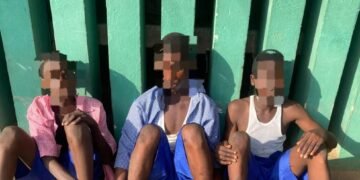











No fewer than 37 persons suspected to be involved in illegal oil bunkering have died after inhaling toxic fumes during an illicit petroleum loading operation in Rivers State.
The tragic incident occurred in the early hours of Thursday at Okari Jetty in Okrika Local Government Area, where hundreds of youths reportedly gathered to siphon petroleum products from an illegally tapped pipeline.
According to community sources, the victims arrived at the jetty in locally made boats and were loading the product when a strong, overwhelming odour suddenly filled the air, causing many of them to collapse. Several reportedly fell into the river, while others who escaped suffered severe respiratory complications and were rushed to hospitals for treatment.
The Youths and Environmental Advocacy Centre (YEAC-Nigeria) confirmed the incident, saying its network of volunteers and human rights defenders in the Niger Delta had verified at least 37 deaths linked to the inhalation of what locals refer to as “Indorama Fuel.”
Executive Director of YEAC-Nigeria, Dr. Fyneface Dumnamene, explained that the victims had allegedly connected hoses to a tapping point on a pipeline transporting petroleum products from the Indorama Eleme Petrochemical facility through the Port Harcourt refinery corridor to export vessels. He said the victims inhaled the product being pumped under high pressure while loading it into waiting boats, resulting in the fatalities.
Reports indicated that many persons remain unaccounted for, raising fears that the death toll could rise. Community leaders said dozens of bodies had already been identified, while some victims were yet to be recognised.
The incident has once again highlighted the dangers of illegal oil bunkering in the Niger Delta, where pipeline vandalism and crude oil theft remain persistent challenges despite repeated government crackdowns.
YEAC-Nigeria has called on the National Oil Spill Detection and Response Agency to conduct a joint investigation into the incident and urged authorities to strengthen surveillance around oil facilities while creating alternative livelihood opportunities for youths in the region.