










THE leadership of Jehovah’s Witnesses has announced a change to its long-standing policy on blood transfusions, now allowing members to decide whether their own blood can be stored and used for medical treatment, according to recent reports.
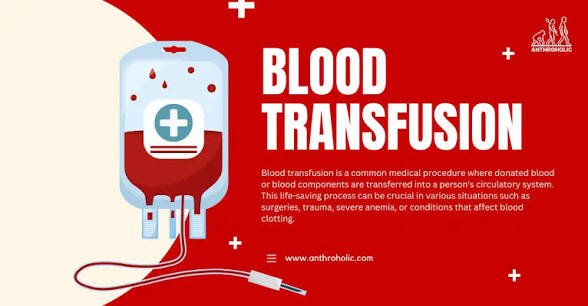
Under the updated guidance, members may choose to have their own blood drawn in advance and reinfused during surgery or other medical procedures if needed.
The adjustment has been described by the organisation as a clarification rather than a reversal of doctrine, while the broader prohibition on receiving blood from other people remains in place.
For decades, Jehovah’s Witnesses have been widely known for refusing blood transfusions on religious grounds, based on their interpretation of biblical passages instructing believers to “abstain from blood.”
This belief traditionally included rejecting whole blood and its major components, even in life-threatening situations, though some minor blood fractions have been left to personal conscience.
Previously, the faith also discouraged storing one’s own blood for later use, a practice known medically as autologous transfusion.
The new policy allows individual members to decide for themselves whether to permit this procedure as part of their medical care.
Observers say the change could affect how Jehovah’s Witness patients are treated in hospitals, particularly in planned surgeries where blood loss is expected.
However, critics note that the organisation still forbids transfusions using donated blood, meaning emergency situations may continue to present challenges for adherents who strictly follow the teaching.
Jehovah’s Witnesses number millions of followers worldwide, and their stance on blood transfusion has long been one of the most distinctive and controversial aspects of the denomination’s beliefs.

Jehovah’s Witnesses relax policy on blood transfusion, allow use of self-donated blood

Related Posts



Don't Miss


Stay informed with Breaking News Online in Nigeria on The News Bearer. Get real-time updates and analysis of national, international events.