








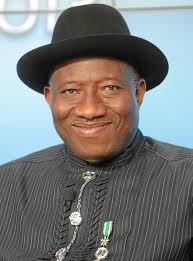
Former President Goodluck Jonathan may not have formally declared for the 2027 presidential election, but a legal battle over his eligibility has already pushed him to the centre of Nigeria’s emerging political contest.
A Federal High Court in Abuja is expected to hear a suit seeking to bar Jonathan from contesting the presidency again, amid growing calls from political groups and youths urging him to return to office.
The case, filed by lawyer Johnmary Jideobi, argues that Jonathan has already exhausted the constitutional limit for presidential tenure, having completed the late President Umaru Musa Yar’Adua’s term in 2010 before winning a full four-year mandate in 2011.
The plaintiff is asking the court to restrain the former president from presenting himself as a candidate in 2027 and to prevent the Independent National Electoral Commission from accepting his nomination.
Although Jonathan has yet to officially announce any intention to run, recent political pressure from support groups has intensified speculation about a possible return to active politics.
Speaking in Abuja while receiving youth groups campaigning for his candidacy, the former president said he would “consult widely” before making any decision, describing the presidency as “not a computer game.”
Political observers say the suit could become an early constitutional test capable of reshaping alignments ahead of the 2027 election cycle, especially as major parties quietly begin consultations and succession calculations.
The development also revives debate around Section 137 of the 1999 Constitution and whether a vice president who completes a deceased president’s tenure should be allowed to seek additional terms beyond one elected mandate.
Jonathan, who left office in 2015 after losing to former President Muhammadu Buhari, has remained influential in African diplomacy and election observation missions, but has largely stayed away from frontline partisan politics in recent years.

2027: Jonathan’s eligibility battle signals early political tension ahead of presidential race

Related Posts








Stay informed with Breaking News Online in Nigeria on The News Bearer. Get real-time updates and analysis of national, international events.