








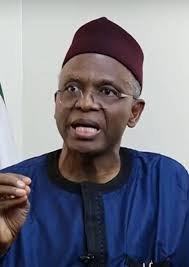
Abuja, Nigeria — Former Kaduna State Governor Nasir El-Rufai, was on Monday, February 16, 2026, detained by the Economic and Financial Crimes Commission (EFCC) after responding to an invitation for questioning in Abuja on Monday, escalating a sprawling investigation into alleged financial misconduct.
El-Rufai arrived at the EFCC headquarters in the Jabi district around 10:00 a.m. to honour the summons linked to claims that roughly N432 billion was misappropriated during his eight-year tenure as governor. After hours of interrogation, he was taken into custody late Monday night.
The probe stems from a 2024 Kaduna State House of Assembly report that accused the former governor’s administration of mismanaging loans, awarding contracts without due process, and leaving the state with heavy debts. El-Rufai has repeatedly denied any wrongdoing, describing the allegations as politically driven and asserting that public funds were spent on legitimate development projects.
New Criminal Charges Filed:
In a separate development, the Federal Government has filed a three-count criminal charge against El-Rufai at the Federal High Court in Abuja. The case alleges that during a television interview on February 13, the former governor admitted to unlawfully intercepting the phone communications of National Security Adviser Nuhu Ribadu, an offence under the Cybercrimes (Prohibition, Prevention, etc.) Amendment Act, 2024 and the Nigerian Communications Act, 2003.
The charges include claims that El-Rufai failed to report knowledge of illegal interception and that the conduct posed risks to national security. As of Tuesday, no arraignment date had been set.
Public Reaction and Protests:
The developments have drawn public attention and reaction. On Monday, hundreds of demonstrators gathered outside the EFCC headquarters in Abuja, demanding that the anti-graft agency thoroughly investigate and prosecute El-Rufai if evidence of corruption is found. Opponents carried placards reading “El-Rufai Not Above the Law” as security forces prevented them from entering the EFCC compound.
Supporters of the former governor also rallied in solidarity, asserting that El-Rufai is being targeted for political reasons. Local civil society groups have called for transparency and accountability from all sides as the legal process unfolds.
Wider Investigations Continue:
Beyond the EFCC probe and cybercrime charges, the Department of State Services (DSS) has reportedly reopened an investigation into the 2019 disappearance of Kaduna critic Abubakar Idris, known as “Dadiyata,” with links to El-Rufai and his family also under review.
As the former governor remains in EFCC custody, political analysts say the high-profile case will test the strength of Nigeria’s anti-corruption institutions and could have significant implications ahead of the 2027 election cycle.

EFCC detains El-Rufai in N432bn probe as cybercrime charges loom

Related Posts




Don't Miss


Stay informed with Breaking News Online in Nigeria on The News Bearer. Get real-time updates and analysis of national, international events.