












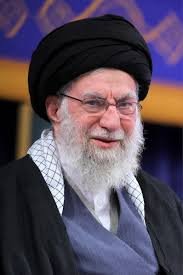
Iran’s Supreme Leader, Ayatollah Khamenei, confirmed dead after U.S.-Israeli strikes as region braces for escalation
Iran has confirmed the death of its supreme leader, Ayatollah Ali Khamenei, following a large-scale U.S.-Israeli military assault that has dramatically intensified tensions across the Middle East and raised fears of a wider regional war.
The strikes, which hit multiple targets across Iran, were described by U.S. President Donald Trump as part of a campaign aimed at dismantling Iran’s ruling system.
Trump indicated the operation would continue for several days, signaling sustained military pressure on Tehran.
Iranian authorities said Khamenei was killed during the initial wave of attacks. His death marks an unprecedented moment for the Islamic Republic, which has been led by a supreme leader since the 1979 revolution.
Among the deadliest incidents reported was an airstrike near a military installation that struck an elementary school, killing more than 100 girls, according to Iranian officials.
The attack has drawn sharp international condemnation and renewed scrutiny of civilian harm amid the rapidly expanding conflict.
In response, Iran has launched what it called “unprecedented” retaliation, firing missiles and drones at U.S. military bases, targets in Israel, and other locations across the region.
A senior Iranian figure who survived the initial strikes vowed to exact revenge, warning that the United States would be “stabbed in the heart.”
The escalating exchanges have already disrupted air travel, damaged major transportation hubs, and rattled densely populated urban areas.
Oil shipments through key regional routes have also been affected, raising concerns about global energy markets.
Reactions inside Iran have underscored deep internal divisions.
While some Iranians have openly mourned Khamenei’s death, others have celebrated, reflecting long-standing tensions between the state and its critics.
Similar divisions have appeared in the United States, where demonstrations have included both supporters of the strikes and protesters warning of the consequences of a broader war.
As fighting continues, world leaders are urging restraint, even as the region edges closer to a conflict with global implications.

Iran’s Supreme Leader, Ayatollah Khamenei, confirmed dead after U.S.-Israeli strikes as region braces for escalation

Related Posts







Don't Miss



Stay informed with Breaking News Online in Nigeria on The News Bearer. Get real-time updates and analysis of national, international events.