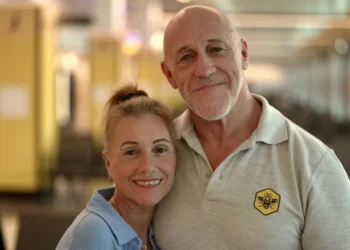
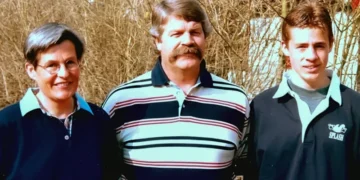









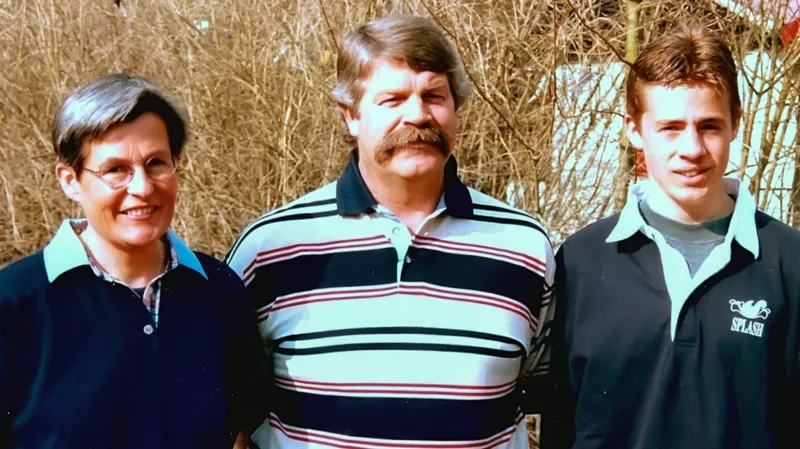
A Dutch man, Bas, has recounted the emotional trauma of losing both parents on the same day after they opted for euthanasia, describing the experience as one of the loneliest and most painful moments of his life.
Bas said his parents, Jan and Els, decided to end their lives together in June 2024 after struggling with serious health challenges, including chronic pain and dementia.
According to a BBC feature by Linda Pressly, the couple, who were in their 70s, received lethal medication from doctors at a hospice in the Netherlands on June 3, 2024, in a rare procedure known as duo-euthanasia.
Their only child said that although he supported their decision, he had struggled to persuade them to postpone it because he was not ready to lose them.
Jan had endured years of persistent pain resulting from his work transporting cargo along the Netherlands’ inland waterways, while Els had been diagnosed with Alzheimer’s disease.
Bas said he feared that delaying the decision could mean Els’ dementia would advance to a stage where she might no longer be considered mentally capable of requesting euthanasia.
He recalled that on the morning of their deaths, he drove his parents from their campervan to the hospice, taking a scenic route through the meadows and canals of Friesland.
During the journey, his mother appeared certain about their decision, but his father became emotional and asked whether they were doing the right thing.
Bas said he was surprised by his father’s hesitation, having expected his mother, who had always enjoyed life, to be more reluctant.
He recalled that Els had previously expressed the desire to live until she was 80 or even 90, while Jan had been discussing euthanasia for more than a decade because of his persistent pain.
Despite his reservations, Bas reassured his father, and the family continued their journey in silence, listening to music and taking in the scenery.
At the hospice, relatives and friends gathered to spend the final moments with the couple. They shared memories and listened to music before doctors arrived shortly before 10:30am.
Jan and Els lay on separate hospital beds beside each other, holding hands as they received the medication that ended their lives.
Bas said witnessing his parents holding hands was particularly moving because he had rarely seen them display such affection publicly.
He described the first 30 minutes after their deaths as an almost unbelievable experience, saying the reality of losing both parents at once eventually overwhelmed him.
The emotional consequences were devastating.
Bas, an only child, said he experienced an intense sense of loneliness because he had lost both parents simultaneously and had no siblings with whom to share the grief.
He described the experience as feeling as though his legs had been cut off.
His grief also manifested physically, leaving him feeling sick and experiencing bodily pain for between four and five weeks.
Reflecting on the experience, Bas said that although euthanasia might have been the best decision for his parents, losing both of them at the same time had an enormous emotional impact on him.
He admitted that he would not necessarily recommend the experience to other families.
Before their deaths, however, Bas had made efforts to ensure that there would be no unfinished conversations or unexpressed feelings between them.
Two days before the scheduled procedure, he visited their campervan with an eight-page letter recounting their family life and thanking them for everything they had done for him.
He read the entire letter aloud to his parents, who were deeply moved by its contents.
Bas said his parents were not particularly demonstrative with affection while raising him. Although he knew they loved him, they generally expressed it through their actions rather than hugs or verbal declarations.
However, something unusual happened after he finished reading the letter.
His father, who had never hugged him before, embraced him.
Bas described the moment as one of the best experiences of his life, saying it gave him the opportunity to express everything he needed to say before their deaths.
“Everything was said,” he recalled.
Euthanasia in the Netherlands: The couple’s deaths have also drawn attention to the growing practice of euthanasia in the Netherlands, where the procedure is legal under strict conditions.
Figures from the country’s Regional Euthanasia Review Committees showed that 9,958 people chose euthanasia in 2024.
Of that number, 427 had dementia, including six people with advanced dementia.
The figures also showed that 108 people, comprising 54 couples, underwent duo-euthanasia that year.
Under Dutch law, people seeking euthanasia must demonstrate unbearable suffering and be assessed by doctors as having the capacity to make a voluntary and well-considered decision.
The process can be particularly complicated for people with dementia because they may fear losing the mental capacity required to make the decision if they wait too long.
Dr Rozemarijn van Bruchem, a geriatrician and ethicist at Erasmus Medical Centre in Rotterdam, explained that patients with dementia often face a difficult dilemma over when to begin the euthanasia application process.
They may feel that applying too early means ending their lives prematurely, while waiting could mean losing the ability to qualify.
Jan and Els had previously explained that they did not want to wait until Els’ Alzheimer’s disease progressed further.
While Jan acknowledged that he might be choosing to die earlier than necessary, he said he considered his life complete.
For their son, however, the decision left a lasting emotional wound, raising difficult questions about personal choice, family relationships, end-of-life decisions and the often-overlooked burden on relatives left behind.