


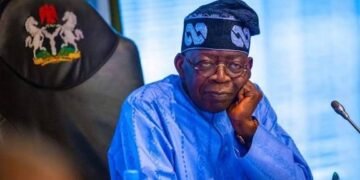








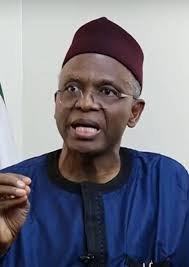
Abuja, Nigeria — Former Kaduna State Governor Nasir El-Rufai remained in the custody of the Economic and Financial Crimes Commission (EFCC) into Tuesday night as investigators pursue questions in a high-profile probe involving an alleged ₦432 billion corruption scandal, his lawyer confirmed.
El-Rufai voluntarily presented himself at the EFCC’s headquarters in Abuja on Monday morning, February 16, 2026, in response to an invitation from the anti-graft agency. After hours of interrogation, he was not released when the legally permitted 48-hour detention period expired, and sources say the commission is considering applying for a court remand to continue its questioning.
An EFCC official, speaking on condition of anonymity, stated investigators need extra time to probe financial activities linked to El-Rufai’s eight-year administration in Kaduna State, spanning 2015 to 2023. Allegations centre on mismanagement of loans, breaches of due process in contract awards, and a steep increase in the state’s debt profile during his tenure.
El-Rufai’s lead counsel, A.U. Mustapha (SAN), confirmed that his client remained at the EFCC facility while efforts to secure bail continue. Mustapha described El-Rufai as “a responsible citizen” who fully cooperated with investigators and posed no flight risk if granted bail.
The EFCC’s action follows petitions forwarded by the Kaduna State House of Assembly, which in 2024 set up an ad hoc committee to investigate state finances. Its report alleged that loans and state funds, approximately ₦423 billion, were not used for their intended purposes and recommended prosecution of El-Rufai and key aides.
While the former governor has denied wrongdoing and characterised the probe as politically motivated, the EFCC’s interrogation appears to signal a deeper phase of investigation.
A senior EFCC source told journalists that suspects are generally invited only after investigations have reached an advanced stage.
As of now, no formal arraignment date has been announced, and it remains unclear whether a court will grant the EFCC’s anticipated application for continued detention.


E-Rufai: EFCC extends detention as Llwyer seeks bail in ₦432bn corruption probe

Related Posts









Stay informed with Breaking News Online in Nigeria on The News Bearer. Get real-time updates and analysis of national, international events.