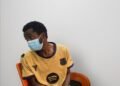
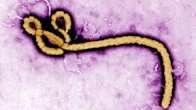








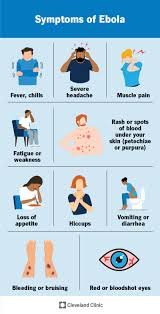
Abuja — The Federal Government has intensified health screening and surveillance measures at airports, seaports, and land borders across the country amid growing concerns over Ebola outbreaks reported in parts of East and Central Africa.
Health authorities said the enhanced measures are aimed at preventing the importation of the Ebola virus into Nigeria, even though no confirmed case has been recorded in the country.
The Nigeria Centre for Disease Control and Prevention (NCDC) and the Federal Ministry of Health and Social Welfare have activated precautionary protocols at points of entry, including stricter screening procedures for international travellers and increased monitoring of passengers arriving from affected countries.
Director-General of the NCDC, Dr. Jide Idris, said recent assessments identified airports and border crossings as critical areas requiring stronger surveillance to prevent the virus from entering the country. He noted that states with international airports remain at higher risk because they serve as major gateways for travellers.
According to the agency, Nigeria’s preparedness level for a potential Ebola outbreak currently stands at 59 per cent, with authorities working to address identified gaps in infrastructure, emergency response systems, and border monitoring.
Idris warned that porous land borders continue to pose a major challenge, as many travellers enter the country through road routes that are more difficult to monitor effectively.
He stressed the need for sustained vigilance and coordination among federal and state health agencies.
The government said it is collaborating with international health partners and regional authorities to closely monitor developments in affected countries while strengthening disease surveillance nationwide.
Measures already in place include enhanced health declaration procedures, increased screening at points of entry, and improved coordination with state ministries of health.
Officials have urged healthcare workers to maintain a high level of alertness, promptly report suspected cases, and adhere strictly to infection prevention and control protocols.
Nigeria successfully contained an Ebola outbreak in 2014, a response widely praised by global health authorities. Health experts say lessons from that experience continue to guide the country’s preparedness efforts as authorities seek to prevent a recurrence.
This version follows a standard newspaper format with headline, dateline, lead paragraph, attribution, and supporting details.

Ebola alert: FG tightens airport, border screening nationwide

Related Posts






Don't Miss

Stay informed with Breaking News Online in Nigeria on The News Bearer. Get real-time updates and analysis of national, international events.