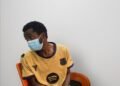








AN Ebola outbreak in eastern Democratic Republic of the Congo has killed at least 65 people, prompting urgent regional health warnings and emergency response efforts across Central Africa. Health authorities say 246 suspected cases have been identified in Ituri province, an area bordering Uganda and South Sudan.
The outbreak has been concentrated in the Mongwalu and Rwampara health zones, while additional suspected infections have been reported in Bunia, the provincial capital. Officials from the Africa Centres for Disease Control and Prevention (Africa CDC) warned that the region’s busy mining communities and constant cross-border movement could accelerate transmission.
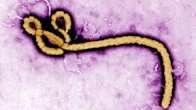
Laboratory tests have confirmed the Ebola virus in several patient samples, although scientists are still determining the exact strain involved.
Early findings suggest it may not be the Zaire strain — the type most previous Congolese outbreaks have involved and the one targeted by existing vaccines. Experts say this could complicate containment efforts if current vaccines prove less effective.
Africa CDC announced it is coordinating an emergency response with officials from DR Congo, Uganda, South Sudan, the World Health Organization, and pharmaceutical partners.
Authorities are increasing surveillance and preparedness measures in border regions to prevent wider spread.
The Democratic Republic of the Congo has experienced repeated Ebola outbreaks since the virus was first identified there in 1976.
Public health experts say factors such as dense rainforest environments, contact with wildlife reservoirs, weak healthcare infrastructure, and ongoing regional instability continue to heighten outbreak risks.
The latest outbreak comes only months after Congo declared an earlier Ebola epidemic over in late 2025.

Ebola outbreak kills 65 in Eastern DR Congo as fears of regional spread grow

Related Posts






Don't Miss



Stay informed with Breaking News Online in Nigeria on The News Bearer. Get real-time updates and analysis of national, international events.