









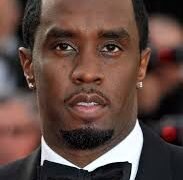





Deepfake technology is a groundbreaking evolution in artificial intelligence, explicitly harnessing the power of machine learning algorithms. It refers to techniques utilising deep learning to create realistic and convincing media, be it video or audio, depicting individuals saying or doing things they never actually did. ‘Deepfake’, a portmanteau of ‘deep learning’ and ‘fake’, captures the essence of this intricate technology.
Advancements in artificial intelligence research, particularly in neural networks, are the origins of deepfake technology. In essence, neural networks are computational systems modelled loosely after the human brain, designed to recognise patterns and learn from data. The rapid evolution of these algorithms has allowed for increasingly sophisticated manipulation of multimedia content. Early iterations of deepfake technology primarily focused on static images, but recent developments have enabled the creation of dynamic, lifelike videos with remarkable fidelity.
Deepfakes can take many forms, from altered video clips to modified audio recordings. Videos may portray public figures engaged in various activities, which can mislead viewers about their actions or statements. Likewise, audio deepfakes can convincingly mimic a person’s voice, raising significant ethical concerns regarding authenticity and credibility. This transformative technology poses challenges for journalism, as traditional verification methods may no longer suffice in distinguishing between genuine and manipulated content.
As we navigate a digital landscape increasingly saturated with media, understanding deepfake technology becomes essential for comprehending its implications for journalism. Authenticity and credibility are crucial in news dissemination, especially as deepfake technology continues to blur the boundaries between reality and fabrication.
The Threat of Deepfakes to Journalistic Integrity
The rise of deepfake technology has introduced significant challenges to journalism, raising concerns over the integrity and credibility of information disseminated to the public. Deepfakes, which use artificial intelligence to create hyper-realistic videos or audio clips, can fabricate quotes, manipulate speeches, or alter the visuals of key figures—effectively producing content that appears genuine but is fundamentally misleading. This alarming ability not only poses risks to individuals but threatens to undermine the very fabric of trust in authentic news sources.
Several high-profile incidents have highlighted the risks associated with deepfake technology. For instance, a manipulated video of a political leader can spur confusion, misinform voters, or sway public opinion based on sheer falsehood. Such incidents exemplify the potential for deepfakes to mislead audiences and contribute to the widespread dissemination of disinformation. When news consumers cannot distinguish between genuine reports and fakes, the resulting erosion of trust in media outlets can be profound, leading to a broader scepticism toward journalism.
This digital age has heightened the necessity for rigorous fact-checking and source verification processes within journalism. Media professionals must navigate a landscape where deepfakes can lurk around every corner. Adopting advanced verification tools and strengthening ethical standards are vital in combating the adverse effects of this technology. Deepfakes are challenging the fundamental principles of journalism, namely accuracy, transparency, and trustworthiness. Journalists must remain vigilant in verifying their sources and safeguarding the integrity of their reporting as the media industry grapples with these technological advancements. Ultimately, the potential dangers posed by deepfakes necessitate an ongoing dialogue about maintaining credibility in an age replete with digital misinformation.
Strategies for Journalists to Combat Deepfake Challenges
The emergence of deepfake technology poses significant challenges for journalists, necessitating the adoption of effective strategies to ensure the integrity and credibility of their reporting. One of the foremost approaches journalists can take is utilising specialised software to detect audio and video manipulation. Various tools are available, such as Deepware Scan and Serelay, which leverage advanced algorithms to identify signs of deepfake technology. By incorporating these tools into their verification process, journalists can assess the authenticity of content before publication, thereby reducing the risk of spreading misinformation.
Consulting with experts in digital forensics also plays a crucial role in combating deepfake challenges. Journalists can develop relationships with forensic analysts who specialise in video authenticity. These professionals can provide insights and expertise in assessing suspicious content, thereby enhancing the rigour of journalistic practices. Engaging with such experts not only aids in verification but also equips journalists with a deeper understanding of deepfake technology, enabling them to report on it more effectively.
In addition to technical measures, transparency in reporting practices is vital. Journalists cultivate trust with their readership by openly communicating the methods used for content verification. Educating audiences about the capabilities and potential misuse of deepfake technology can also foster a more informed public. Media literacy programs can empower readers to critically evaluate the information they encounter critically, recognising the difference between authentic content and manipulated media.
By embracing these strategies, journalists can navigate the complexities introduced by deepfake technology. Continuous education, collaboration with experts, and commitment to transparent reporting practices will ultimately enhance the reliability of journalistic standards, reinforcing audience trust in an increasingly challenging digital landscape.
The Future of Journalism in a Deepfake World
As deepfake technology continues to evolve, the landscape of journalism faces unprecedented challenges and opportunities that could redefine the essence of credible reporting. Advanced artificial intelligence tools enable the creation of hyper-realistic manipulations of audio and visual content, which raises significant concerns regarding authenticity. However, this evolution also presents the prospect for journalists to collaborate with technologists to develop innovative verification methods that can help restore trust in the media.
Verification methods, such as blockchain technology, could maintain a secure ledger of content provenance, enabling journalists and their audiences to trace the origin of a story. Additionally, we can harness artificial intelligence to analyse and flag potential deepfake media, freeing journalists to concentrate on curating genuine and fact-checked information. This collaboration between traditional reporting and cutting-edge technology could lead to the emergence of ethical standards that ensure accountability and foster a culture of transparency within the industry.
Moreover, the role of policymakers and social media platforms is crucial in addressing the implications of deepfake content. Policymakers need to establish regulations that define the boundaries of acceptable technology use. At the same time, social media platforms must enhance their content moderation policies to detect and mitigate the spread of misleading deepfakes. By implementing frameworks that involve collaboration between these stakeholders, the journalism industry can work towards a more credible information ecosystem.
As deepfake technology poses profound ethical dilemmas, journalists have the unique opportunity to reassess their practices, emphasising investigative rigour and critical analysis. Journalism must adapt to these changes to thrive in an increasingly complex information environment, ensuring it remains a cornerstone of democracy. By leveraging technological advancements and fostering collaborative efforts, the industry can emerge empowered to meet the challenges of a deepfake world with resilience and integrity.
•Mimiola, an award-winning journalist, sent in this piece.