


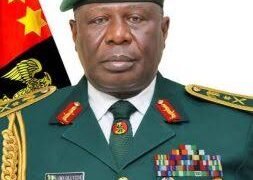








The Supreme Court of Nigeria on Thursday, January 22, 2026, brought to a close the long-running legal battle over the 1996 murder of Alhaja Kudirat Abiola, dismissing the Lagos State Government’s bid to revive the prosecution of Major Hamza Al-Mustapha (retd).
In a unanimous judgment, a five-member panel of the apex court ruled that Lagos State had abandoned its appeal against Al-Mustapha’s 2013 acquittal by failing to take any substantive legal action for more than nine years.
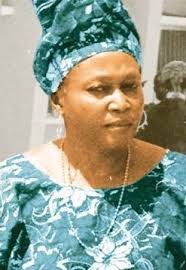
Al-Mustapha, a former Chief Security Officer to the late military ruler General Sani Abacha, had been on trial for the murder of Kudirat Abiola — the wife of Chief MKO Abiola, presumed winner of the annulled June 12, 1993 presidential election — who was shot dead in Lagos on June 4, 1996 amid nationwide unrest.
Delivering the lead judgment, Justice Uwani Aba-Aji criticised the Lagos State Government for its “inexcusable” delay and failure to pursue its appeal, noting that the state did not file a notice of appeal, neglected court orders from 2014, and did not appear in court for the hearing.
Counsel for Al-Mustapha, Mr. Paul Daudu (SAN), told the court that the state’s conduct clearly demonstrated a lack of interest in pursuing the case, urging the court to dismiss the appeal on grounds of abandonment.
The Supreme Court confirmed that Lagos State had been duly served with hearing notices and had been aware of the proceedings since 2020, yet took no steps to engage, leading the panel to conclude that nine years was more than sufficient time to act.
As a result, the appeals against the acquittal — including SC/CR/45/2014 and a related matter SC/CR/6/2014 — were dismissed and struck out.
The original trial saw a Lagos High Court convict Al-Mustapha, Mohammed Abacha and Lateef Shofolahan in January 2012, sentencing them to death for conspiracy and murder. However, in 2013 the Court of Appeal overturned that verdict, discharging and acquitting them on the basis that the evidence was insufficient.
Thursday’s ruling effectively ends all legal efforts to revisit the case nearly three decades after Kudirat Abiola’s assassination


Supreme Court ends Kudirat Abiola murder case, frees Al-Mustapha

Related Posts







Stay informed with Breaking News Online in Nigeria on The News Bearer. Get real-time updates and analysis of national, international events.