











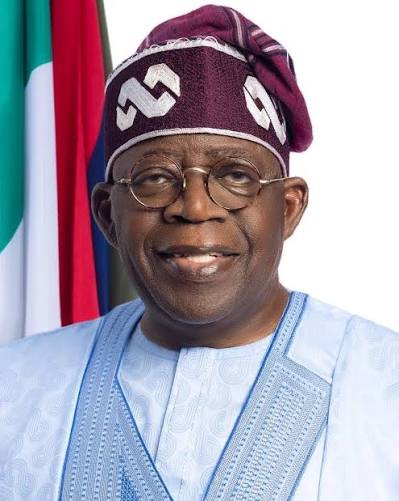
Abuja – The Federal Government has secured $11.4 billion in loan approvals from the World Bank within three years of President Bola Tinubu’s administration, according to an analysis of World Bank data.
The figure represents about 78 per cent of the $14.59 billion approved for Nigeria during the eight-year administration of former President Muhammadu Buhari, indicating a significant increase in multilateral financing under the current government.
Data obtained from the World Bank showed that the loans, approved between June 2023 and June 2026, were targeted at economic reforms, education, healthcare, agriculture, energy, digital infrastructure, financial inclusion and social protection programmes.
Among the largest facilities approved was a $2.25 billion financing package in June 2024 to support economic reforms, revenue mobilisation and social protection initiatives.
The World Bank said the funding was designed to strengthen macroeconomic stability and support ongoing government reforms.
The latest addition to the country’s World Bank portfolio came with the approval of a $1.25 billion Nigeria Actions for Investment and Jobs Acceleration programme, which forms part of the bank’s new Country Partnership Framework for Nigeria covering 2026 to 2032.
The programme is expected to support private sector-led growth, job creation, energy access, digital infrastructure and agricultural productivity.
Despite the scale of approvals, World Bank records indicate that only about $2.32 billion of the $11.4 billion approved under the Tinubu administration has been disbursed so far, leaving more than $8 billion yet to be released.
The disbursement rate stands at approximately 20 per cent.
By comparison, projects approved during the Buhari administration recorded a significantly higher implementation rate, with more than 80 per cent of approved funds already disbursed.
Economic analysts remain divided over the growing volume of external borrowing. While some argue that concessional loans from institutions such as the World Bank can support development and infrastructure projects, others have raised concerns about debt sustainability and the country’s rising repayment obligations.
Nigeria’s debt to the World Bank rose to $19.89 billion as of December 2025, accounting for more than one-third of the nation’s total external debt stock, according to data from the Debt Management Office.

FG secures $11.4bn World Bank loans in three years

Related Posts





Don't Miss




Stay informed with Breaking News Online in Nigeria on The News Bearer. Get real-time updates and analysis of national, international events.